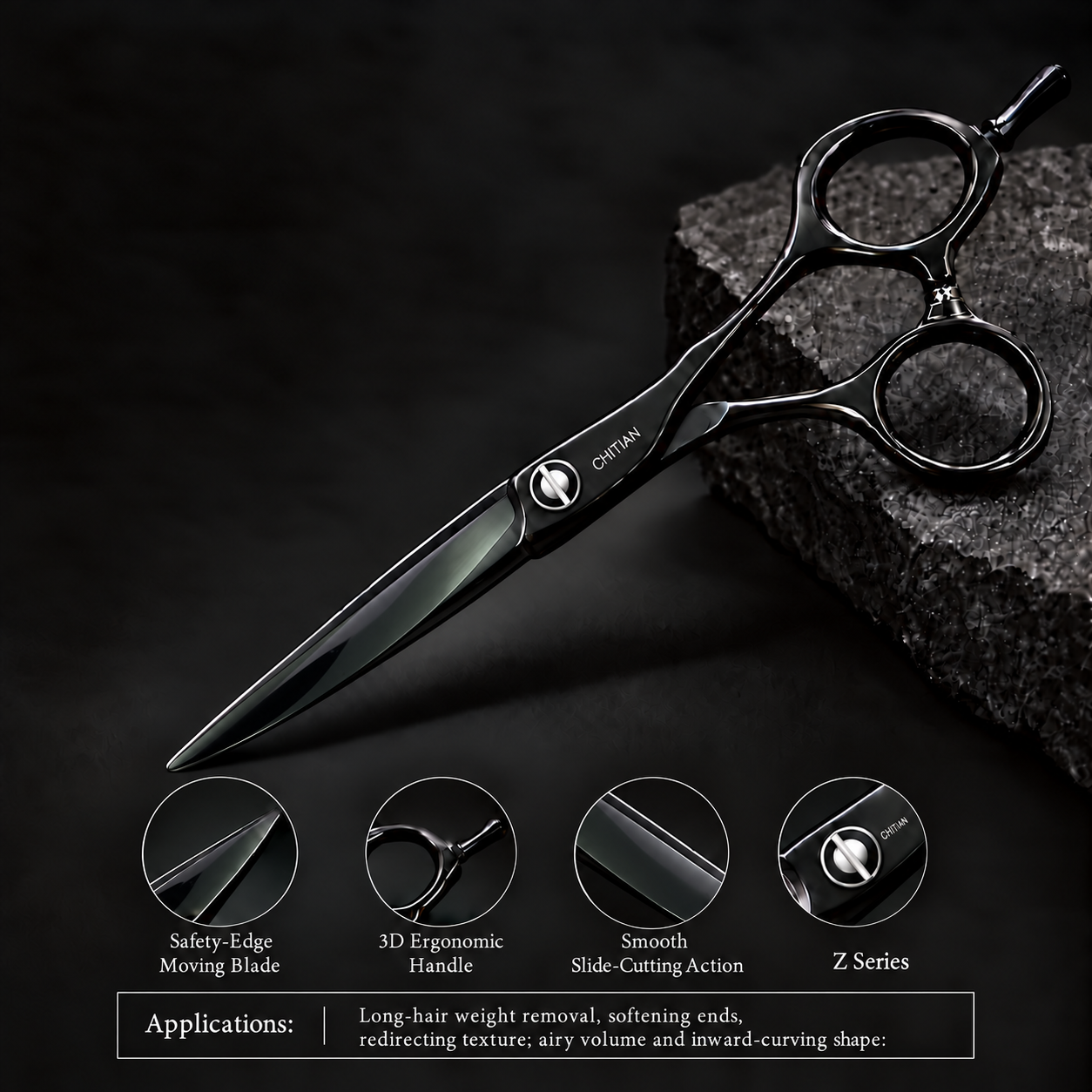
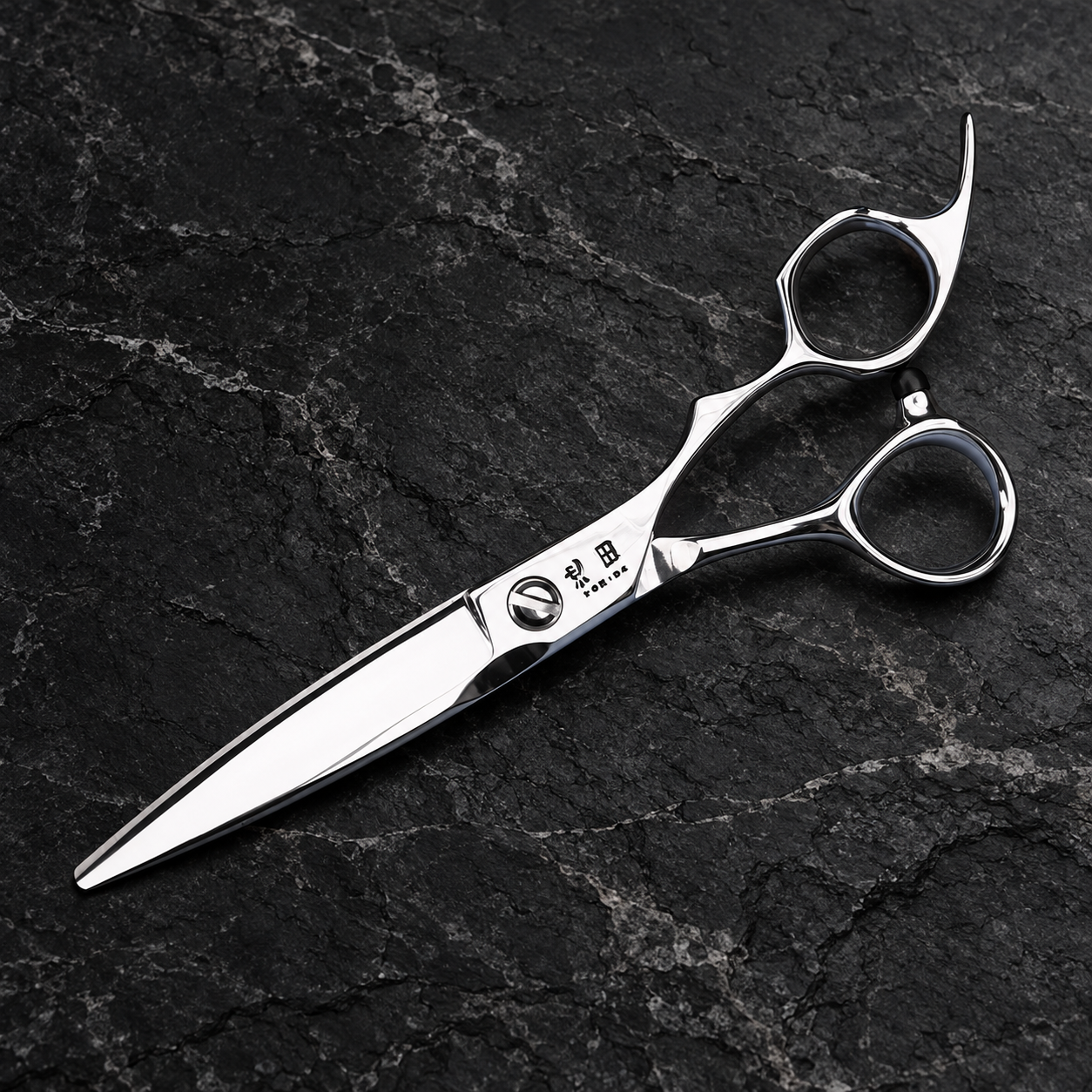
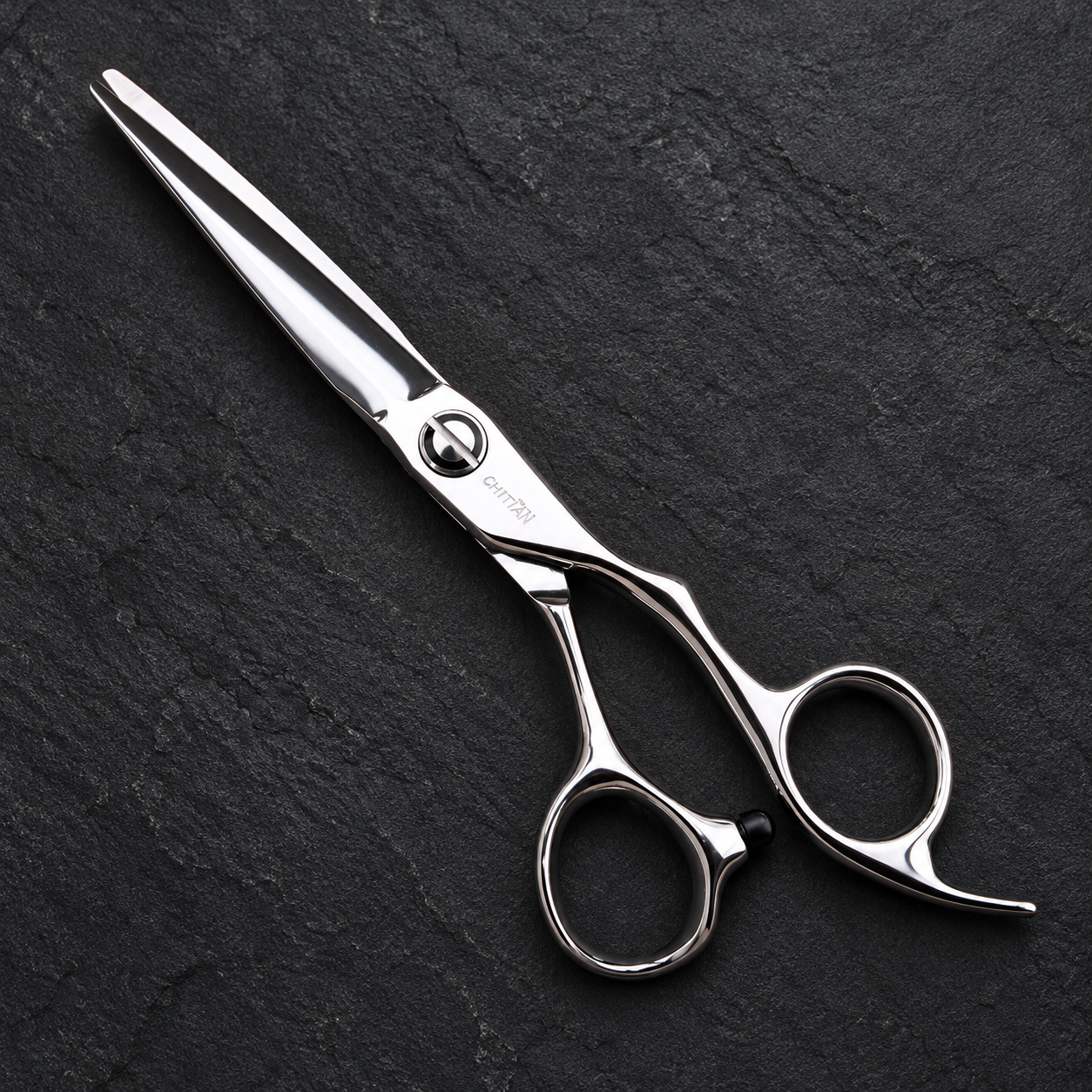
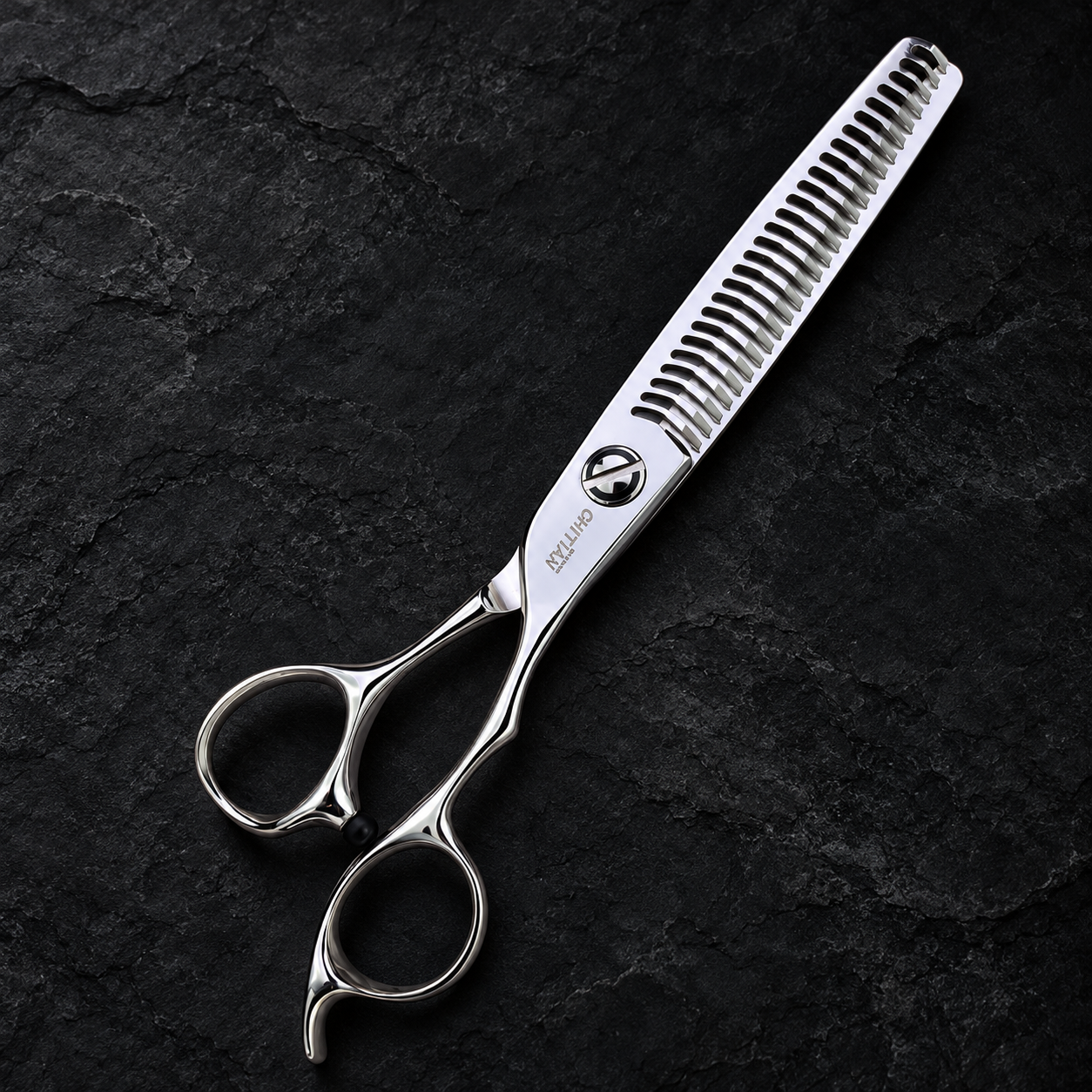
BRBARBER · PROFESSIONAL HAIR SCISSORS

Chosen for your technique.
Made for your next cut.

Find the right cutting, thinning and texturizing scissors for the way you work. Start with the result you want—then compare the blade, balance and specifications.

Precision cuttingControlled textureConsidered ergonomics

YOUR TOOLS, YOUR TECHNIQUE

Start with the cut.

01 / CUT

Cutting Scissors

For clean lines, shape building and precision work. Compare blade length, edge design and handle position.

Explore cutting scissors →
02 / TEXTURE

Thinning & Texturizing

For softer transitions, texture and controlled weight removal. Choose by tooth design and the stated thinning rate.

Explore texture tools →
03 / PAIR

Scissor Sets

Build a coordinated cutting and blending toolkit. Check the included sizes, models and care accessories before choosing.

Explore scissor sets →

THE SCISSOR SELECTION GUIDE

A better choice starts
with better questions.

01

What do you cut?

Start with your main technique: blunt lines, detail work, scissor-over-comb, blending or texture. Select a model whose intended use matches your routine.

02

How should it fit?

Compare overall size and blade length separately. Check handedness, finger-ring fit and handle offset. A size label alone does not tell you how a shear will feel.

03

What do the specs mean?

Read the steel grade, edge design, weight and tension system together. For thinning scissors, compare the stated removal rate and tooth geometry—not tooth count alone.

04

What comes with it?

Review the exact set contents, care instructions and product-specific warranty information. Confirm delivery and returns before ordering.

CONTROL THE FINISH

Understand thinning rates.

A removal-rate label is a useful comparison point, not a guaranteed result on every head of hair. Hair type, section size, placement and repeated cuts all affect the finish.

3–10%

Subtle texture

A reference range for fine texture adjustments and restrained removal. Check the model’s specified rate and recommended technique.

15–25%

Texture & blending

A reference range between light refinement and stronger weight removal. Tooth shape and cutting placement still matter.

30–50%

Volume control

A reference range for more substantial removal. Match the tool to the hair density and intended result.

These are selection reference bands. Available models and their verified specifications are shown on individual product pages.

CARE FOR THE EDGE

Keep your scissors
ready for the next client.

Clean. Dry. Oil. Protect.

Remove hair and residue after use, dry thoroughly, and follow the manufacturer’s cleaning and lubrication instructions. Store scissors closed in a protective case.

Check tension with care.

Follow the model’s adjustment instructions rather than forcing the blades. If the scissors fold hair, feel rough or have a damaged edge, stop and arrange professional inspection or sharpening.

Use scissors only for their intended hair-cutting purpose. Cleaning products and disinfection procedures must be compatible with the manufacturer’s instructions.

BEFORE YOU CHOOSE

Questions worth asking.

Should I choose a cutting shear or a thinning shear?

Choose cutting scissors to create the main shape and lines. Thinning and texturizing scissors change density or finish. Compare the model’s intended techniques before treating two tools as interchangeable.

Does a higher steel grade always mean a better choice?

Steel is one part of the specification. Heat treatment, blade geometry, fit, maintenance and your cutting technique also matter. Compare documented material information without relying on a steel name alone.

Can I use a right-handed shear in my left hand?

Check the product’s actual handedness and blade orientation. A symmetrical-looking handle does not establish that a model is left-handed or ambidextrous.

What should I compare between two models?

Compare intended technique, size and blade length, steel, edge design, handedness, handle geometry, weight and tension system. For thinning tools, add tooth design and verified removal rate.

BUILD YOUR WORKING TOOLKIT

Start with the scissors
that suit your work.

Browse the collection →